Antonini Museum
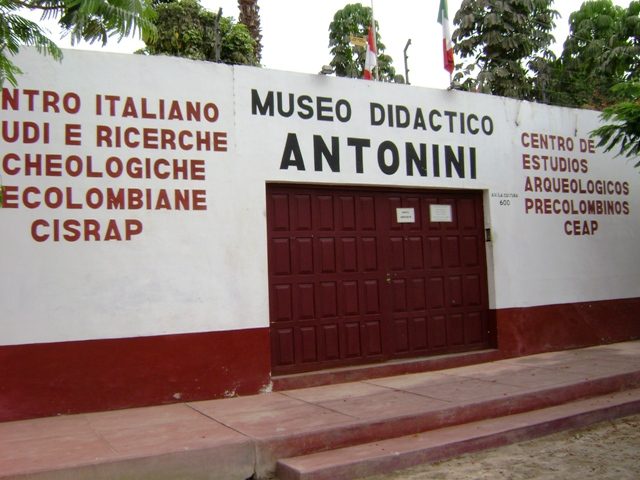
Photo: Own work — CC BY-SA 1.0, via Wikimedia Commons
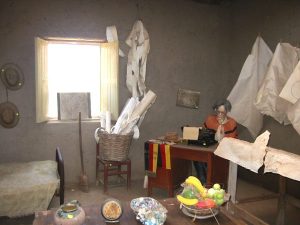
The Antonini Museum in Nazca, Peru, displays artifacts from the Nazca culture, including ceramics, textiles, and models of Nazca architecture.
Planning your visit
The Antonini Museum is the archaeological counterweight to the Nazca lines. Founded by an Italian archaeologist whose team has excavated Cahuachi — the vast ceremonial centre of adobe pyramids nearby, the largest mud-brick complex in the world — it displays what that work has produced: Nazca ceramics with their extraordinary polychrome painting, textiles, trophy heads, musical instruments and mummies.
The material makes the case that the lines were not isolated. Cahuachi was a pilgrimage site, the geoglyphs relate to processions and to water, and the Nazca people's real engineering achievement may be the puquios — spiral stone-lined aqueducts, still functioning after 1,500 years, that draw groundwater across one of the driest deserts on earth.
The museum grounds include a section of restored aqueduct and a scale model of the lines.
Seeing this before or after a flight over the geoglyphs turns a spectacle into something comprehensible.
Bookable options include multi-day tours from Lima combining Paracas, Huacachina, the Nazca overflight and the museum. Current availability is shown below.
Before you book
Where is Antonini Museum?
Antonini Museum is in Nazca, Peru. The map on this page marks its exact location.
Do I need to book Antonini Museum in advance?
Tickets can be bought on the door at quiet times, but booking ahead fixes the date and avoids the queue at busy ones. Live availability is shown on this page.