
Gedenkstätte und Museum Sachsenhausen
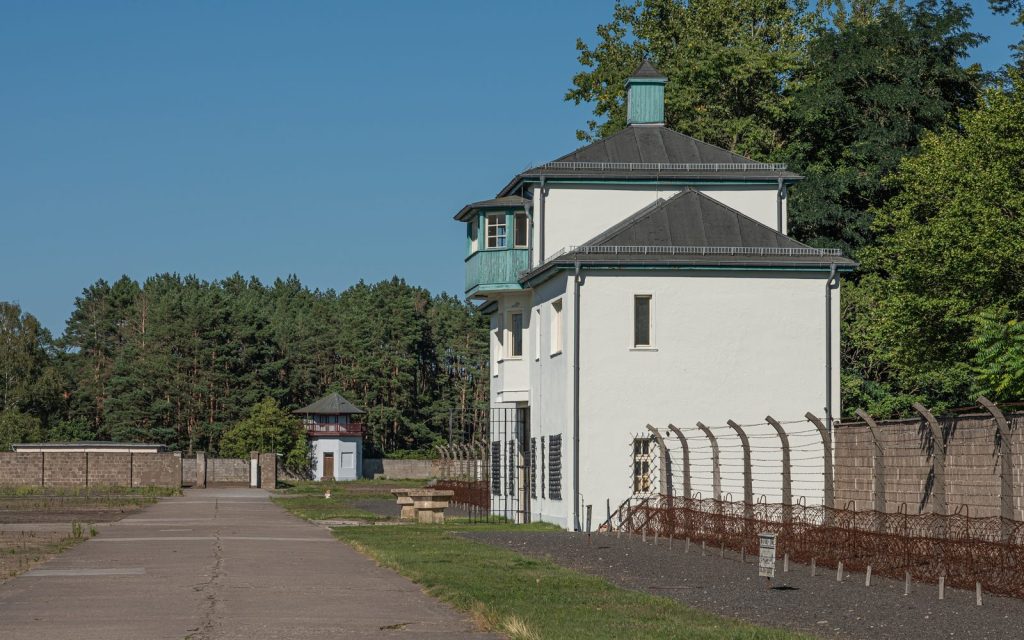
Photo: Own work — FAL, via Wikimedia Commons
Gedenkstätte und Museum Sachsenhausen in Oranienburg, Germany, commemorates the history of the Sachsenhausen concentration camp (1936–1945) and the Soviet special camp No. 1/7 (1945–1950). The site features 13 permanent exhibitions in preserved buildings, offering insights into various aspects of the camps’ histories.
Planning your visit
Sachsenhausen was built in 1936 as a model camp and the administrative centre of the entire concentration camp system — the Inspectorate of Concentration Camps was headquartered here, and SS commandants were trained on site before being posted elsewhere.
Its triangular layout, with the guard tower positioned so a single machine gun could cover the whole roll-call area, was intended as an architectural expression of total control.
Around 200,000 people were held there; tens of thousands died of starvation, disease, forced labour, medical experiments and execution. Station Z, the extermination facility, is marked.
After the war the Soviets used the site as Special Camp No. 1 until 1950, holding German officials, opponents and arbitrary detainees, of whom around 12,000 died. The memorial covers both periods, which was contentious when first proposed.
Thirteen exhibitions occupy preserved buildings. Admission is free. Oranienburg is around 45 minutes from Berlin. Bookable options include guided tours from Berlin. Current availability is shown below.
Before you book
Where is Gedenkstätte und Museum Sachsenhausen?
Gedenkstätte und Museum Sachsenhausen is in Oranienburg, Germany. The map on this page marks its exact location.
Do I need to book Gedenkstätte und Museum Sachsenhausen in advance?
Tickets can be bought on the door at quiet times, but booking ahead fixes the date and avoids the queue at busy ones. Live availability is shown on this page.