
Gibran Museum
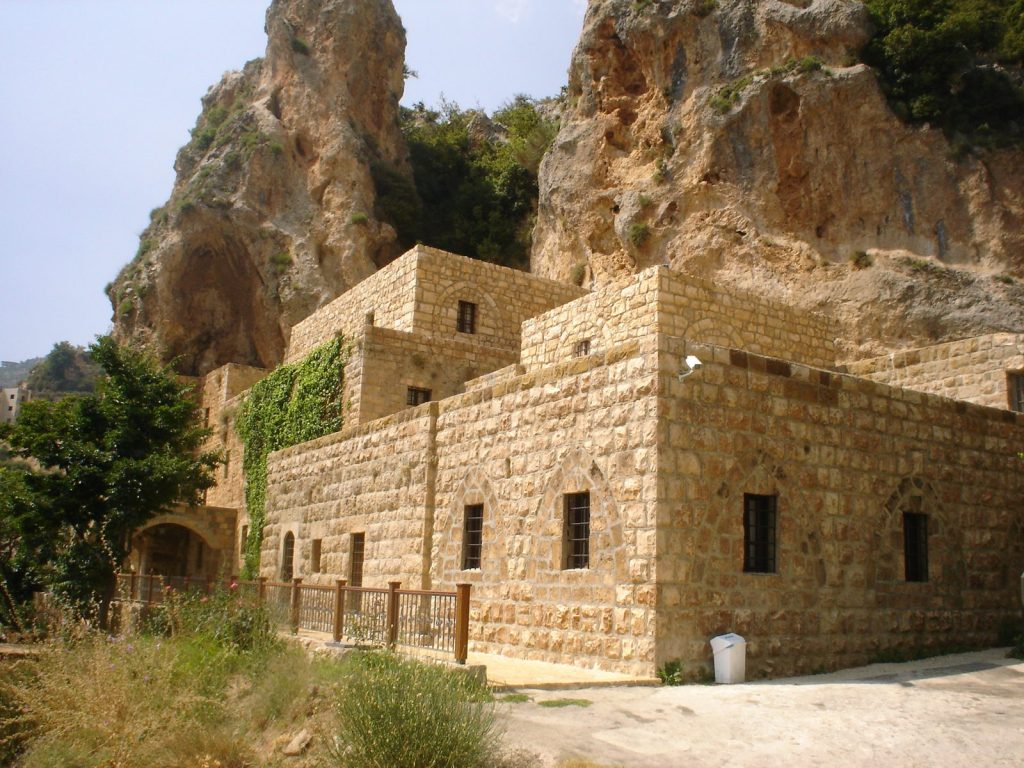
The Gibran Museum in Bsharri, Lebanon, showcases the life and works of Kahlil Gibran, featuring his paintings, manuscripts, and personal belongings.
Planning your visit
Kahlil Gibran wanted to be buried in the monastery he had loved as a boy, and he was: the Gibran Museum occupies the seventh-century Mar Sarkis hermitage above Bsharri, carved into the rock of the Qadisha valley, which his estate purchased after his death in New York in 1931. His tomb is in the grotto chapel, alongside the coffin in which his body was returned to Lebanon.
The collection holds around 440 of his paintings and drawings — Gibran trained as a visual artist and considered it central to his work, though The Prophet overshadowed everything else — along with manuscripts, letters, and his New York studio furniture and personal effects, reassembled here.
The setting is the point. The Qadisha valley is a UNESCO World Heritage Site, a deep gorge holding some of the oldest Christian monastic settlements in the world, cut into cliffs, and the Cedars of God grove — the last significant stand of the biblical cedars — lies above Bsharri.
Bookable options are typically day trips from Beirut combining the Cedars, the Qadisha valley and the museum, which is the practical way to reach a remote mountain region. Current options are listed below.
Before you book
Where is Gibran Museum?
Gibran Museum is in Bsharri, Lebanon. The map on this page marks its exact location.
Do I need to book Gibran Museum in advance?
Tickets can be bought on the door at quiet times, but booking ahead fixes the date and avoids the queue at busy ones. Live availability is shown on this page.