
Murano Glass Museum
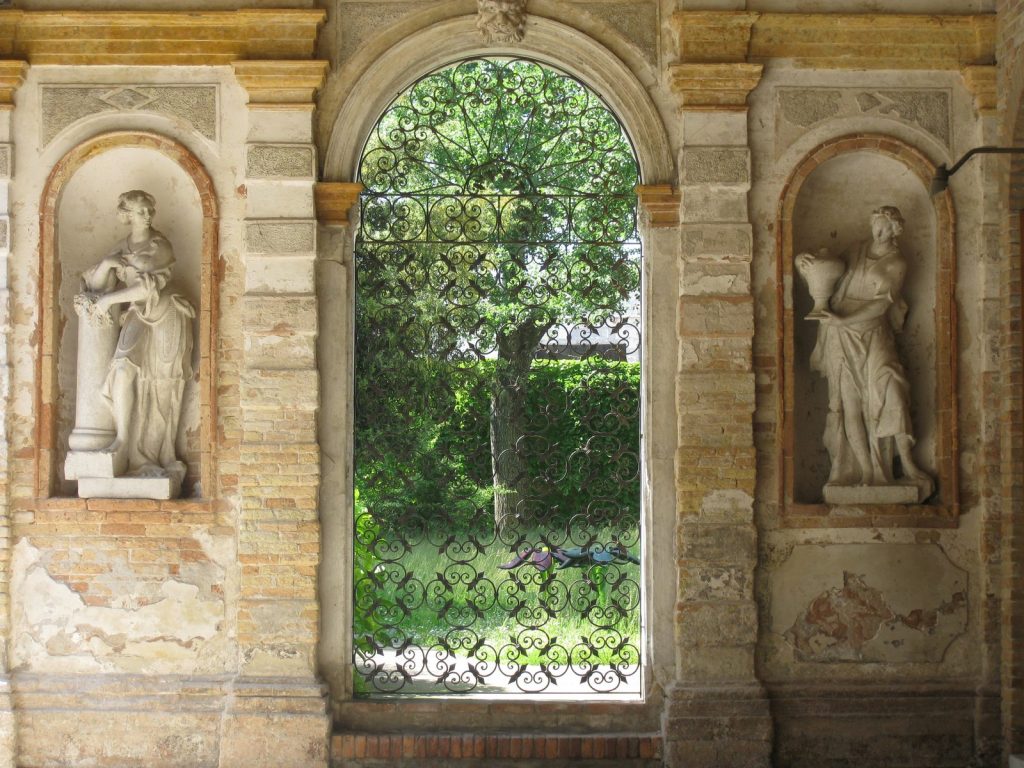
Photo: Own work — CC BY-SA 3.0, via Wikimedia Commons
The Murano Glass Museum, housed in a 17th-century palace, displays a vast collection of glass artifacts from ancient times to the present, highlighting Murano’s renowned glassmaking tradition.
Planning your visit
Venice moved its glassworks to Murano in 1291 because the furnaces kept burning the city down, and the island became a controlled industrial zone — masters held privileges and were forbidden to leave, on pain of consequences that occasionally reached assassination, because the techniques were state secrets.
The museum occupies Palazzo Giustinian, the former bishop's residence, and runs chronologically from Roman glass excavated in the lagoon through the Renaissance period when Murano supplied the courts of Europe, to the nineteenth-century revival and twentieth-century design.
The techniques are the substance: cristallo, the colourless glass perfected here; filigrana with its embedded threads; millefiori; and the chandeliers that defined the eighteenth century.
The Barovier wedding cup of around 1470 is the single most important object.
Demonstrations happen in commercial furnaces elsewhere on the island, not here. Allow ninety minutes. Current availability is listed below.
Before you book
Where is Murano Glass Museum?
Murano Glass Museum is in Murano, Italy. The map on this page marks its exact location.
How long should I allow for Murano Glass Museum?
Allow ninety minutes. That is the time the collection itself takes at an unhurried pace, before any queue.
Do I need to book Murano Glass Museum in advance?
Tickets can be bought on the door at quiet times, but booking ahead fixes the date and avoids the queue at busy ones. Live availability is shown on this page.