
Museum “Alte Mine”
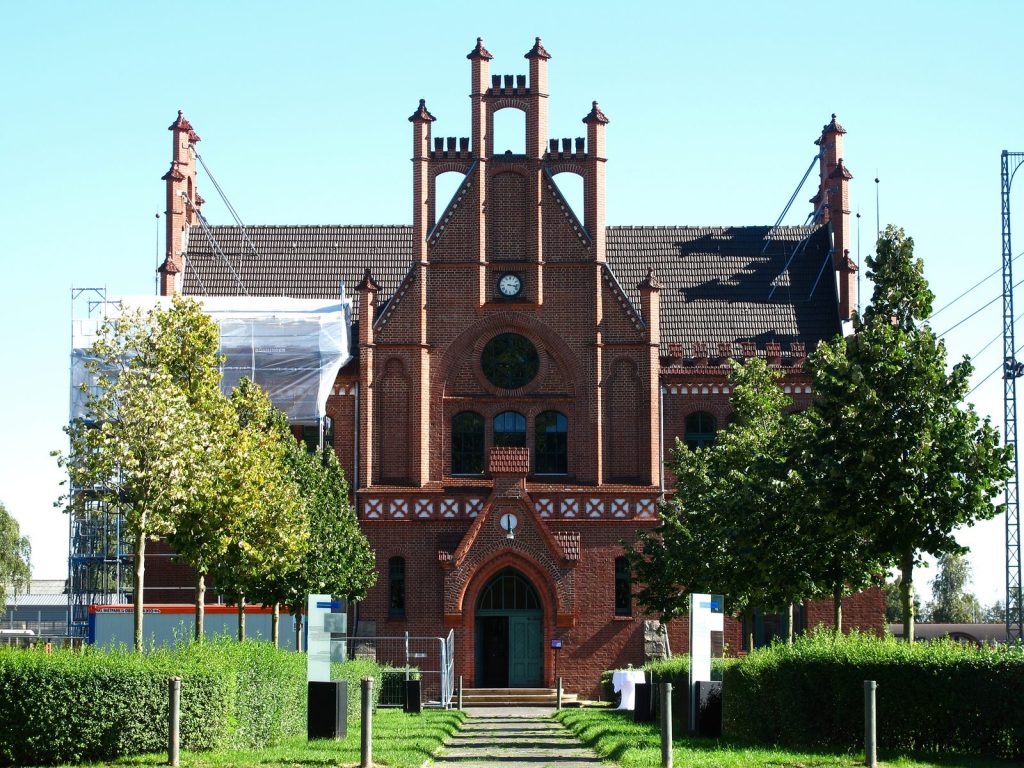
Photo: wikimedia — CC BY 2.0, via Wikimedia Commons
Museum “Alte Mine” in Stein, near Nuremberg, presents the history of lead mine production from the 19th and 20th centuries in a historic Faber-Castell facility.
Planning your visit
Stein, just outside Nuremberg, is where Faber-Castell has made pencils since 1761. The company was the first to standardise pencil sizes and hardness grades, and the hexagonal shape and the grading system used worldwide originated here.
The Alte Mine museum occupies a historic works building and covers lead production — mine in German means the graphite core rather than the metal — through the nineteenth and twentieth centuries: the machinery that mixed graphite and clay, extruded and fired the cores, and the woodworking that encased them. Historic tools, products and packaging trace how a pencil is actually made, which turns out to involve considerably more engineering than expected.
The Faber-Castell castle nearby, built by the family in the late nineteenth century in extravagant style, is separately visitable and gives a sense of the fortune pencils generated.
Nuremberg is a short journey away.
Bookable options are public guided tours of the museum. Current availability is shown below.
Before you book
Where is Museum “Alte Mine”?
Museum “Alte Mine” is in Stein, Germany.
Do I need to book Museum “Alte Mine” in advance?
Guided tours run to a fixed schedule and small group sizes, so they are usually booked ahead.