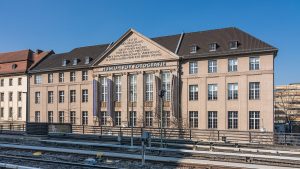
Museum Berlin-Karlshorst
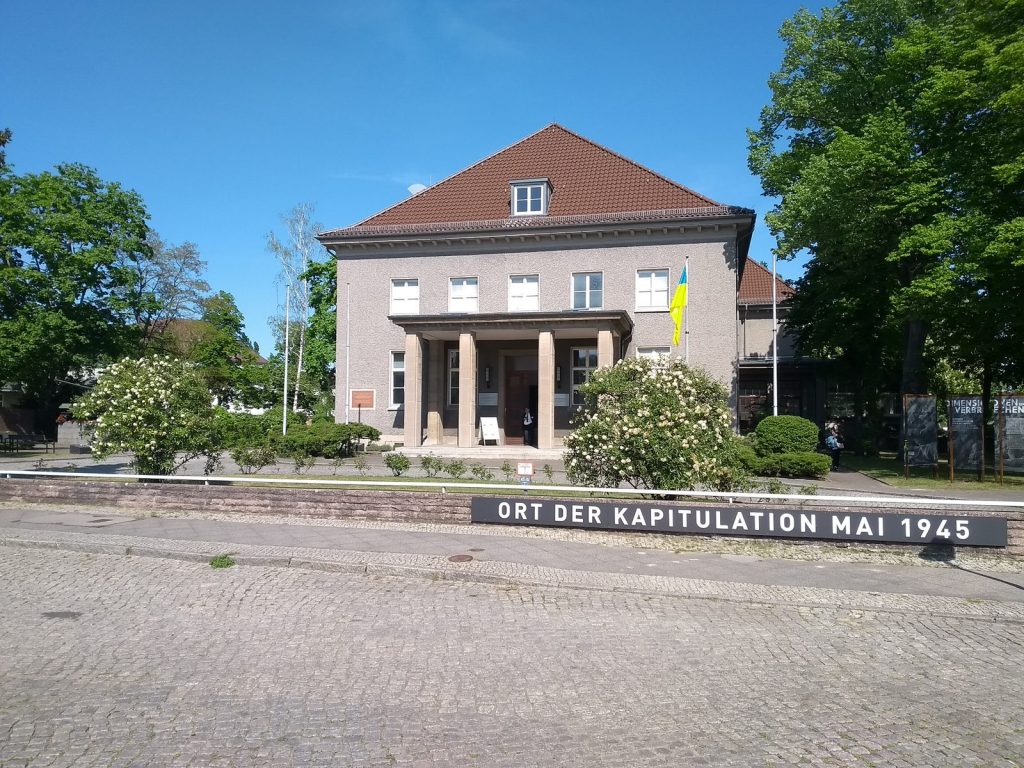
Photo: Own work — CC BY-SA 4.0, via Wikimedia Commons
Museum Berlin-Karlshorst focuses on German-Soviet relations and the German-Soviet war of 1941–1945, located at the site of Germany’s unconditional surrender in 1945.
Planning your visit
This is the room where the Second World War in Europe formally ended. On the night of 8 May 1945, in the officers' mess of a former German army engineering school in Karlshorst, Field Marshal Keitel signed the unconditional surrender of the Wehrmacht before Soviet, American, British and French representatives. The hall is preserved with the table and flags as they stood.
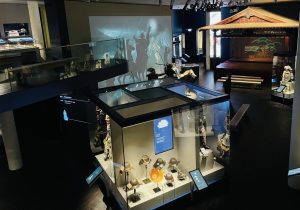
The museum around it — founded jointly by Germany and Russia in 1994, and now the Museum Berlin-Karlshorst — covers the German-Soviet war of 1941 to 1945, which is the theatre where the war was overwhelmingly decided and where the overwhelming majority of its casualties fell. It presents the war of annihilation in the east, the treatment of Soviet prisoners, the siege of Leningrad, and the Soviet advance into Germany including the mass rapes of 1945, from both German and Soviet perspectives with material from both archives.
For visitors whose understanding of the war is shaped by Western narratives, this is corrective in a way few Berlin museums manage.
Admission is free, and it closes on Mondays. It sits in Lichtenberg, on the S-Bahn. Bookable options include private Second World War Berlin tours incorporating the museum. Current availability is listed below.
Before you book
Where is Museum Berlin-Karlshorst?
Museum Berlin-Karlshorst is in Berlin, Germany. The map on this page marks its exact location.
Do I need to book Museum Berlin-Karlshorst in advance?
Private tours are arranged for a set date and time, so they need booking in advance.