
Museum of Cham Sculpture
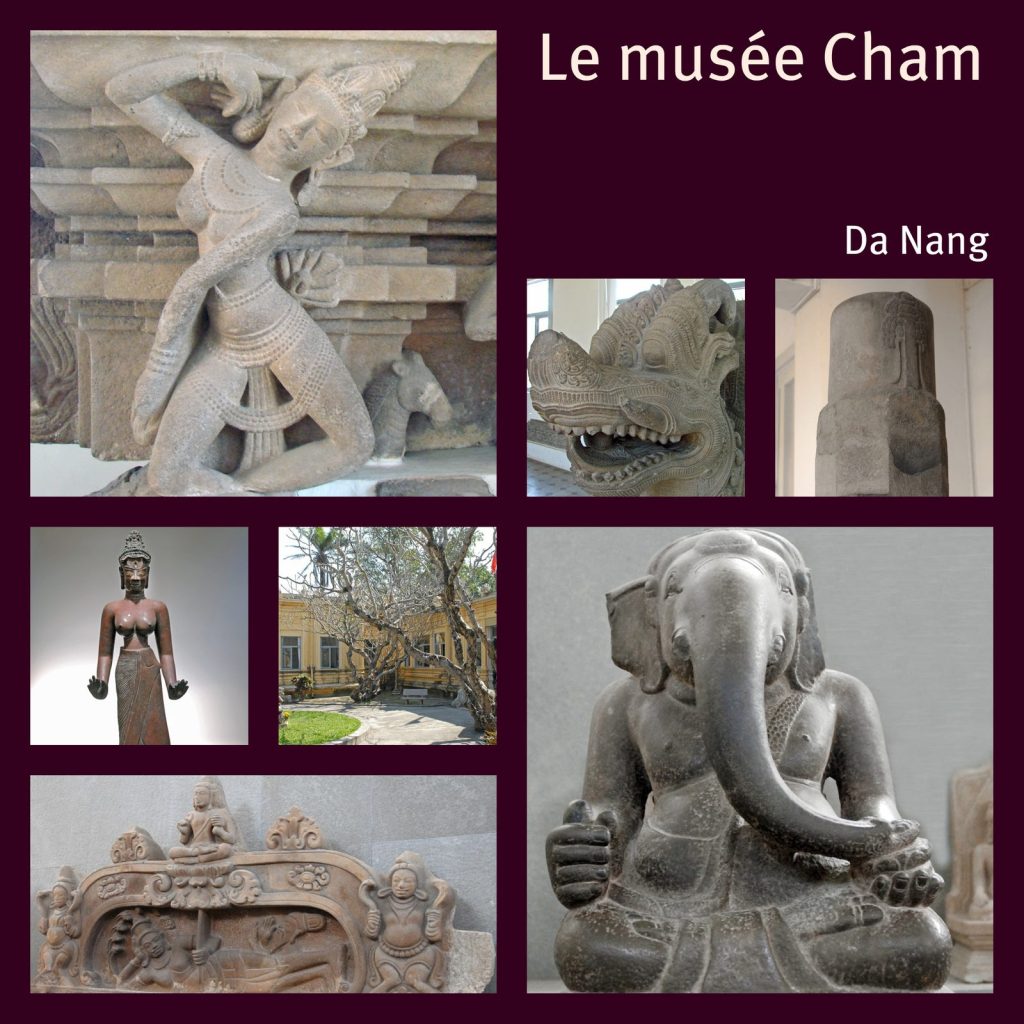
Photo: Le musée Cham (Da Nang) — CC BY 2.0, via Wikimedia Commons
The Museum of Cham Sculpture in Da Nang houses the world’s largest collection of Cham artifacts, including sculptures and reliefs from the 7th to 15th centuries, reflecting the rich cultural heritage of the ancient Champa Kingdom.
Planning your visit
The Museum of Cham Sculpture in Da Nang holds the largest collection of Cham art anywhere, and the civilisation it documents is one most visitors to Vietnam know nothing about. Champa was a Hindu and later partly Islamic kingdom occupying central Vietnam from around the second century, culturally oriented toward India rather than China — a fundamental distinction in a country otherwise shaped by Chinese influence — and it was progressively absorbed by the Vietnamese from the fifteenth century onward.
What survives is largely sculpture: sandstone reliefs, altars, dancing apsaras, Shiva and Ganesha figures, and the great pedestals from the temple complexes, collected by French archaeologists from the 1890s and housed in a purpose-built colonial pavilion from 1915 whose open, airy design suits the stone.
The sculpture is genuinely fine, and the Tra Kieu altar with its dancers is the standout.
The nearby My Son sanctuary, the ruined Cham temple complex in the hills, is where much of this came from and pairs naturally with the museum.
Bookable options include private tours combining the museum with Marble Mountain, and Da Nang history walks with cuisine stops. Current availability is listed below.
Before you book
Where is Museum of Cham Sculpture?
Museum of Cham Sculpture is in Da Nang, Vietnam. The map on this page marks its exact location.
Do I need to book Museum of Cham Sculpture in advance?
Tickets can be bought on the door at quiet times, but booking ahead fixes the date and avoids the queue at busy ones. Live availability is shown on this page.