
Zimbabwe Museum of Human Sciences
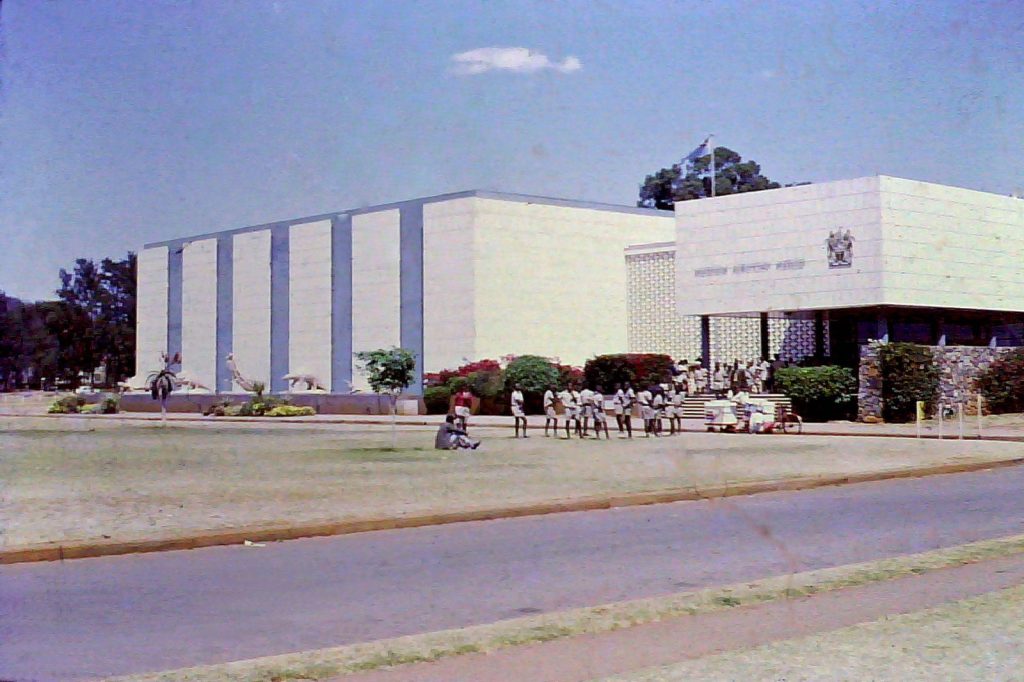
Photo: National Museum, Harare, Zimbabwe — CC BY 2.0, via Wikimedia Commons
Formerly the Queen Victoria Museum, it houses ethnographic and archaeological collections, including the 700-year-old Lemba artifact Ngoma Lungundu.
Planning your visit
Founded in 1903 as the Queen Victoria Museum, the Zimbabwe Museum of Human Sciences in Harare covers archaeology, ethnography and natural history, and its holdings connect directly to one of Africa's most significant archaeological landscapes.
Great Zimbabwe, the stone city that gave the country its name, is the reference point, and the museum's material on the Iron Age states, gold mining and Indian Ocean trade sets out how a substantial precolonial civilisation operated — a history that colonial-era archaeology actively suppressed, insisting the ruins must have been built by foreigners.
The Ngoma Lungundu, a wooden object dated to around 1350 and associated with the Lemba people, who maintain traditions of Jewish descent, is among the oldest wooden artefacts found in sub-Saharan Africa and drew international attention when it resurfaced in storage in 2007.
Rock art, Shona culture and natural history complete the collection. Allow ninety minutes. Bookable options include city tours with the museum. Current availability is shown below.
Before you book
Where is Zimbabwe Museum of Human Sciences?
Zimbabwe Museum of Human Sciences is in Harare, Zimbabwe. The map on this page marks its exact location.
How long should I allow for Zimbabwe Museum of Human Sciences?
Allow ninety minutes. That is the time the collection itself takes at an unhurried pace, before any queue.
Do I need to book Zimbabwe Museum of Human Sciences in advance?
Tickets can be bought on the door at quiet times, but booking ahead fixes the date and avoids the queue at busy ones. Live availability is shown on this page.