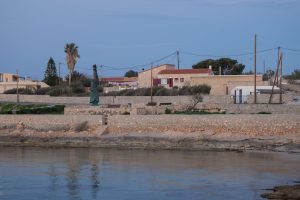
Archaeological Museum of Aegina
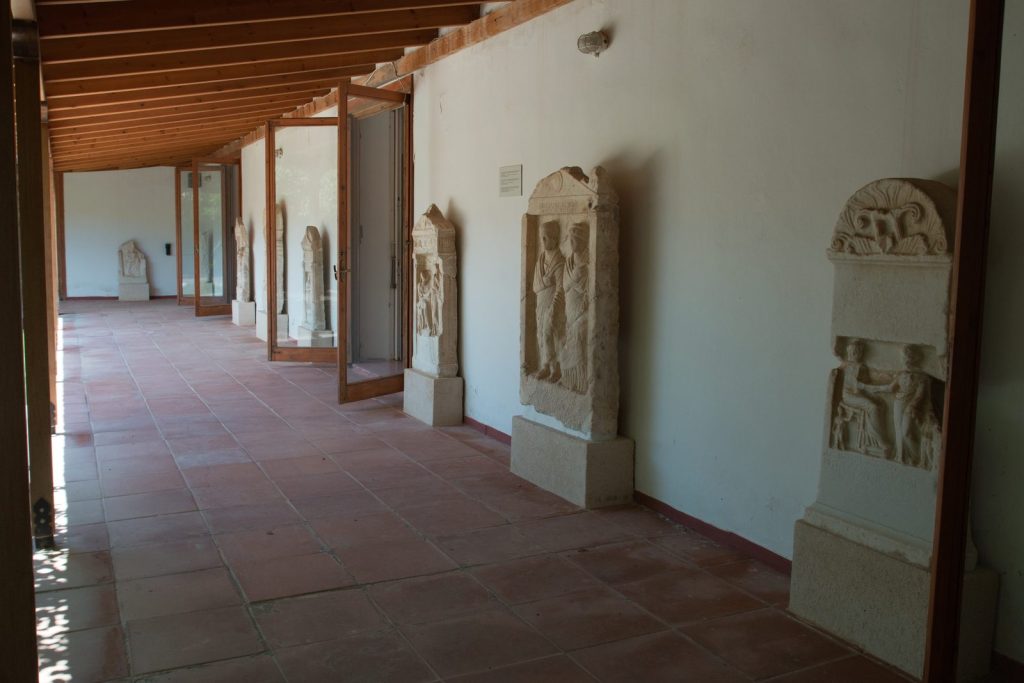
Photo: Own work — CC BY-SA 4.0, via Wikimedia Commons
Founded in 1828 by Ioannis Kapodistrias, the Archaeological Museum of Aegina showcases artifacts from the Neolithic to Roman periods. Located near the Kolona archaeological site, it features pottery, sculptures, and a reconstruction of a Proto-Helladic residence. The museum’s collection highlights Aegina’s rich history and its connections with other ancient civilizations.
Planning your visit
The Archaeological Museum of Aegina was founded in 1828 by Ioannis Kapodistrias, the first head of state of independent Greece — making it the first museum established in the modern Greek nation, at a moment when Aegina briefly served as the country's capital. That origin gives it a significance beyond its size.
The collection covers the island from the Neolithic through the Roman period, drawn largely from the Kolona site immediately adjacent, where a prehistoric settlement and the temple of Apollo stood. Pottery, sculpture, inscriptions and a reconstructed Proto-Helladic house form the core.
Aegina was a major maritime power in the archaic period, minting some of the earliest Greek coins — the silver turtles — and rivalling Athens until Athens crushed it.
The Kolona site with its single surviving temple column stands beside the museum on a low headland above the harbour, and the two are visited together.
Aegina is around forty minutes by hydrofoil from Piraeus.
Bookable options include tours combining the museum, the Apollo temple and the town. Current availability is listed below.
Before you book
Where is Archaeological Museum of Aegina?
Archaeological Museum of Aegina is in Aegina, Greece. The map on this page marks its exact location.
Do I need to book Archaeological Museum of Aegina in advance?
Tickets can be bought on the door at quiet times, but booking ahead fixes the date and avoids the queue at busy ones. Live availability is shown on this page.