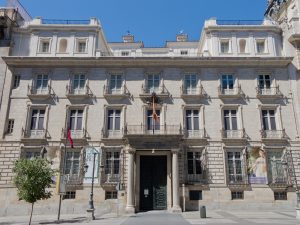
Museo de San Isidro. Los Orígenes de Madrid
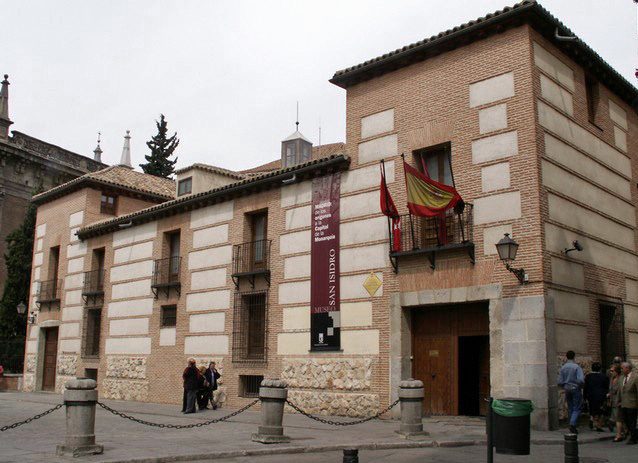
Located in the house where Madrid’s patron saint lived, the museum offers a journey through the city’s history from prehistoric times to the establishment of the Court in the 16th century.
Planning your visit
The Museo de San Isidro occupies the house where Madrid's patron saint is said to have lived in the twelfth century — a farm labourer whose miracles included, in the traditional account, a well in this building whose water saved his drowned son.
The museum covers Madrid's history from prehistory to the sixteenth century, when Philip II moved the court here and the town became a capital.
That trajectory is the interesting part. Madrid was founded as an Islamic fortress in the ninth century, called Mayrit, taken by Castile in 1085, and remained a modest provincial town for four hundred years before being chosen as capital largely for its central position rather than any existing importance.
Archaeological material covers all of it, including palaeontological finds from the Manzanares valley.
Admission is free. It sits in La Latina. Allow an hour. Bookable options include medieval Madrid guided tours. Current availability is shown below.
Before you book
Where is Museo de San Isidro. Los Orígenes de Madrid?
Museo de San Isidro. Los Orígenes de Madrid is in Madrid, Spain. The map on this page marks its exact location.
How long should I allow for Museo de San Isidro. Los Orígenes de Madrid?
Allow an hour. That is the time the collection itself takes at an unhurried pace, before any queue.
Do I need to book Museo de San Isidro. Los Orígenes de Madrid in advance?
Guided tours run to a fixed schedule and small group sizes, so they are usually booked ahead.