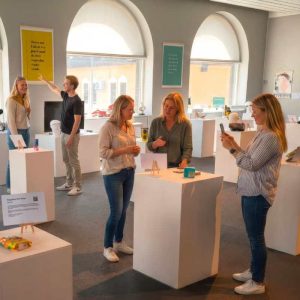
Norsk Folkemuseum
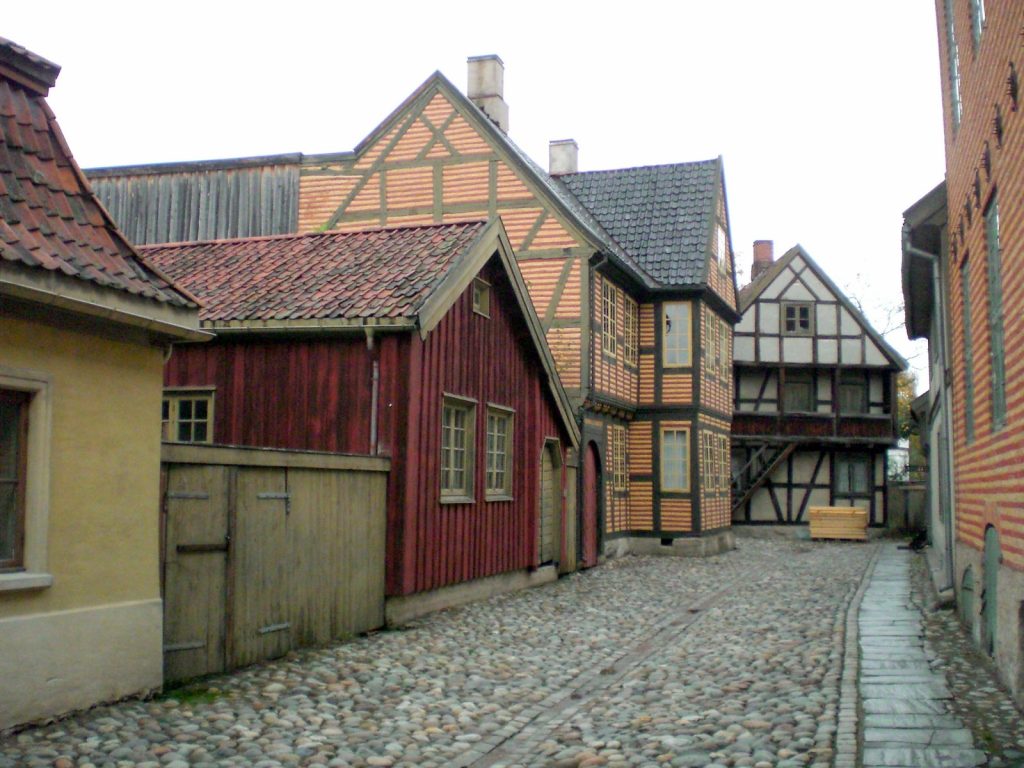
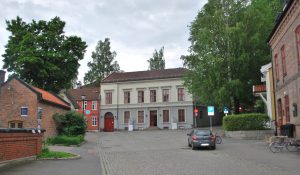
Photo: The 'old town' in the museum — CC BY 2.0, via Wikimedia Commons
Norsk Folkemuseum in Oslo presents Norwegian cultural history through over 150 historic buildings, including a 13th-century stave church, and diverse exhibitions.
Planning your visit
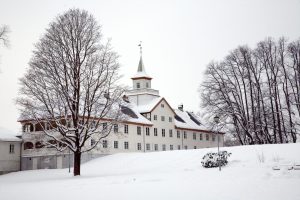
The Norsk Folkemuseum holds over 150 relocated buildings on Bygdøy peninsula, and the Gol stave church is the reason many people come — a wooden church of around 1200, moved here in the 1880s, with dragon heads on the gables and carved portals in a style that fuses Christian and Norse imagery.
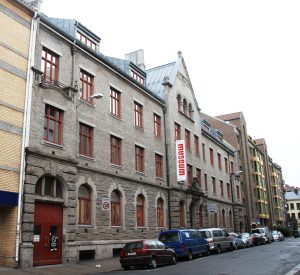
The rest is Norwegian domestic and rural architecture from across the country: farmsteads, storehouses on stilts, turf-roofed dwellings, and a reconstructed Oslo apartment block showing interiors from the 1860s to the 2000s, including a Pakistani-Norwegian family's flat from 2002.
The Sámi collections are substantial, covering the Indigenous people of the north, and are among the more significant holdings anywhere.
Costumed interpreters, folk dancing and traditional crafts operate in the summer months, when the museum is at its best.
Bygdøy also holds the Viking Ship, Fram and Kon-Tiki museums. Allow three hours. Bookable options include private tours with skip-the-line tickets. Current availability is shown below.
Before you book
Where is Norsk Folkemuseum?
Norsk Folkemuseum is in Oslo, Norway. The map on this page marks its exact location.
How long should I allow for Norsk Folkemuseum?
Allow three hours. That is the time the collection itself takes at an unhurried pace, before any queue.
What are the opening hours of Norsk Folkemuseum?
daily 10.00–17.00. Hours change on public holidays, so check the official site before travelling.
Do I need to book Norsk Folkemuseum in advance?
Skip-the-line entry is worth booking ahead here: the saving is the queue, which is exactly what sells out.