Sumo Museum
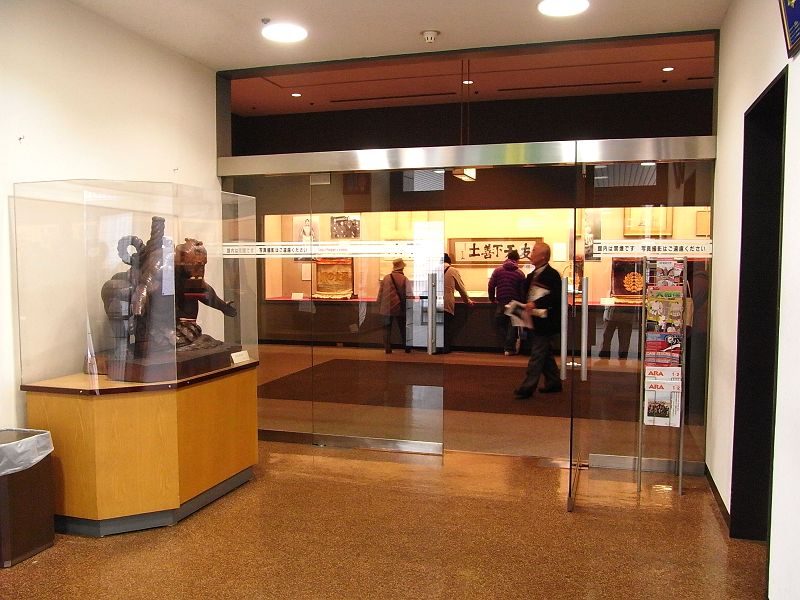
Photo: Own work — CC BY-SA 4.0, via Wikimedia Commons
Located within the Ryogoku Kokugikan arena, the Sumo Museum showcases the history and culture of sumo wrestling through a diverse collection of artifacts, including woodblock prints and ceremonial aprons.
Planning your visit
The Sumo Museum occupies a room inside the Ryōgoku Kokugikan, the national sumo arena, and its collection covers the sport's history through woodblock prints, ceremonial kesho-mawashi aprons, portraits of past yokozuna and documentary material.
Sumo's continuity is the point: it originated as a Shinto ritual, retains religious elements in the salt throwing and the ring's suspended roof, and the ranking system, the stables and the traditions around them have changed remarkably little.
The museum is small and admission is free, but it is closed to non-ticket-holders during tournaments — which is when Ryōgoku is at its most interesting, with wrestlers walking the streets in yukata between bouts.
Tokyo holds three of the six annual tournaments, in January, May and September.
The Ryōgoku district around it is the sumo quarter, with chanko-nabe restaurants serving the stew wrestlers eat.
Allow thirty minutes. Bookable options include walking tours with museum entry. Current availability is listed below.
Before you book
Where is Sumo Museum?
Sumo Museum is in Tokyo, Japan. The map on this page marks its exact location.
How long should I allow for Sumo Museum?
Allow thirty minutes. That is the time the collection itself takes at an unhurried pace, before any queue.
Is Sumo Museum free to enter?
Yes, general admission to Sumo Museum is free. Guided tours and special exhibitions may still be charged separately.
Do I need to book Sumo Museum in advance?
Guided tours run to a fixed schedule and small group sizes, so they are usually booked ahead.